
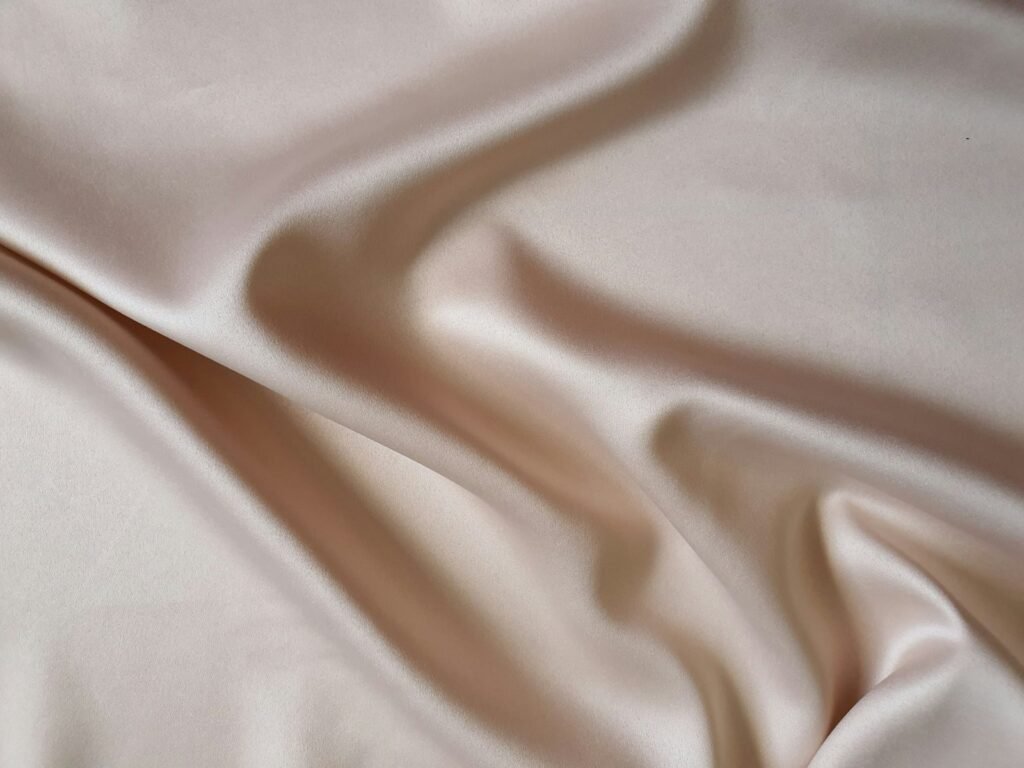
Disclosure: This post contains affiliate links. We may earn a commission on qualifying purchases at no extra cost to you. Claims below are based on the general mechanics of fabric friction and publicly available dermatology and haircare commentary, not clinical testing we’ve personally conducted.
Silk pillowcases have gone from niche beauty editor recommendation to a genuinely mainstream product, and the marketing claims can get pretty ambitious — fewer wrinkles, less frizz, better sleep. Some of this holds up reasonably well under scrutiny; some of it is overstated. Here’s a grounded look at what a silk pillowcase can realistically do, and how to choose one if you decide it’s worth trying.

The Basic Mechanism: Why Silk Is Different from Cotton
The core idea behind silk pillowcase benefits isn’t mysterious — it comes down to friction. Cotton fibers are more textured at a microscopic level and tend to grip hair and skin as you move during sleep. Silk (and to a lesser extent, satin) has a smoother fiber structure, which means less friction as your face and hair slide across the pillow overnight.
What This Actually Means for Hair
Less Mechanical Friction, Less Frizz
Reduced friction can translate to less tugging and rubbing on hair strands overnight, which may help reduce frizz and breakage for some hair types — particularly those prone to tangling or with more fragile, chemically treated, or textured hair.
It Won’t Fix Underlying Hair Damage
A silk pillowcase addresses one small source of mechanical stress on hair. It won’t reverse damage from heat styling, chemical treatments, or nutritional factors — think of it as removing one minor irritant, not a haircare solution on its own.
What This Actually Means for Skin
Less Compression and Creasing
Some dermatology commentary suggests that lower-friction surfaces may reduce the sleep-crease effect (temporary lines from fabric pressing into skin overnight) and may be gentler on skin that’s prone to irritation from rougher fabric texture.
The “Anti-Aging” Claims Are Overstated
Marketing that promises silk pillowcases will meaningfully reduce wrinkles isn’t well supported by strong clinical evidence. Any effect on long-term skin aging is likely to be marginal at best compared to established factors like sun protection, hydration, and skincare routine consistency.

Silk vs. Satin: Know the Difference
This is one of the most common points of confusion when shopping. “Satin” refers to a weave structure, while “silk” refers to the fiber itself — meaning satin pillowcases are often made from synthetic materials like polyester woven in a satin pattern, not silk fiber.
| Silk Pillowcase | Satin (Polyester) Pillowcase | |
|---|---|---|
| Material | Natural silk fiber | Usually synthetic (polyester) |
| Breathability | Higher — natural fiber | Lower — traps more heat |
| Price | Higher | Lower |
| Friction reduction | Similar smoothness | Similar smoothness |
| Care requirements | Often hand-wash or delicate cycle | Usually machine washable |
If your main goal is simply reducing friction on a budget, a good satin pillowcase can deliver a similar mechanical benefit at a lower price. If breathability, temperature regulation, and a more premium feel matter to you, genuine silk is worth the extra cost.
What to Look for When Buying a Silk Pillowcase
Momme Weight
“Momme” (mm) measures the density and quality of silk fabric — roughly speaking, higher momme means thicker, more durable silk. Most quality silk pillowcases fall in the 19–25 momme range; anything significantly lower may feel thin and wear out faster.
Mulberry Silk vs. Other Silk Types
Mulberry silk is generally considered the highest-quality, most consistent silk fiber commonly used in bedding, prized for its smoothness and durability compared to other silk varieties.
Closure Type
Envelope closures (a simple fold-over opening) are common and affordable; zipper closures keep the pillow more securely enclosed but add a small seam that some people find less comfortable against the face.
Care Instructions
Genuine silk often requires hand-washing or a delicate machine cycle with mild detergent, and shouldn’t be machine-dried on high heat. Factor this into your decision if you want low-maintenance bedding.
Certifications
Look for product listings that specify silk grade, momme weight, and material composition clearly. Vague listings that just say “silk-like” or “silky feel” are a signal the product may be synthetic.
Is It Worth the Investment?
A silk pillowcase is a reasonable, low-risk addition to a hair and skin routine — it’s not going to transform either, but the friction-reduction mechanism is genuinely sound, and many people report noticeably less morning frizz and fewer sleep creases. It’s best thought of as one small piece of a broader routine rather than a standalone fix.
Common Questions Before You Switch
Does the Color or Print Affect Performance?
No — color and pattern are purely aesthetic. Performance comes entirely from the fiber type, weave, and momme weight, not the dye or design printed on it.
Will It Feel Too Slippery to Sleep On?
Some first-time users notice pillows feeling less “grippy” for the first few nights, particularly if they’re used to flannel or heavily textured cotton. Most people adjust within a week, and a pillowcase with a slightly higher momme weight tends to feel more substantial and less slippery than very thin, low-momme options.
How Long Does a Silk Pillowcase Last?
With proper gentle washing and care, a good-quality mulberry silk pillowcase can last several years, though it will typically show wear (thinning, minor snags) faster than more durable cotton with heavy machine washing and drying.
Frequently Asked Questions
Can a silk pillowcase help with acne?
It may help marginally by reducing friction and the transfer of oils and bacteria compared to a fabric that holds onto residue more, but it’s not a substitute for an actual skincare or acne treatment routine — think of it as a small supporting factor, not a solution.
Is silk pillowcase hype overblown?
Partially. The friction-reduction mechanism is real and well-understood, but many of the more dramatic anti-aging claims go beyond what’s well supported by strong evidence. It’s a reasonable, low-risk addition to a routine rather than a transformative product on its own.
Do I need a silk pillowcase for every pillow, or just the one I sleep on?
Just the pillow(s) your face and hair actually rest against overnight — there’s no benefit to covering pillows that are purely decorative or unused during sleep.
Final Thoughts
If you’re curious, a mid-range mulberry silk pillowcase (or a quality satin alternative on a budget) is a low-commitment way to test whether the friction-reduction benefits are noticeable for your hair and skin type. Pay attention to momme weight and material composition rather than marketing language alone.
[INTERNAL LINK: Related article about building a simple nighttime skincare routine]
Ready to shop? Compare momme weight, material, and closure type across current silk pillowcase listings before buying — these details matter more to the actual experience than the color or pattern.